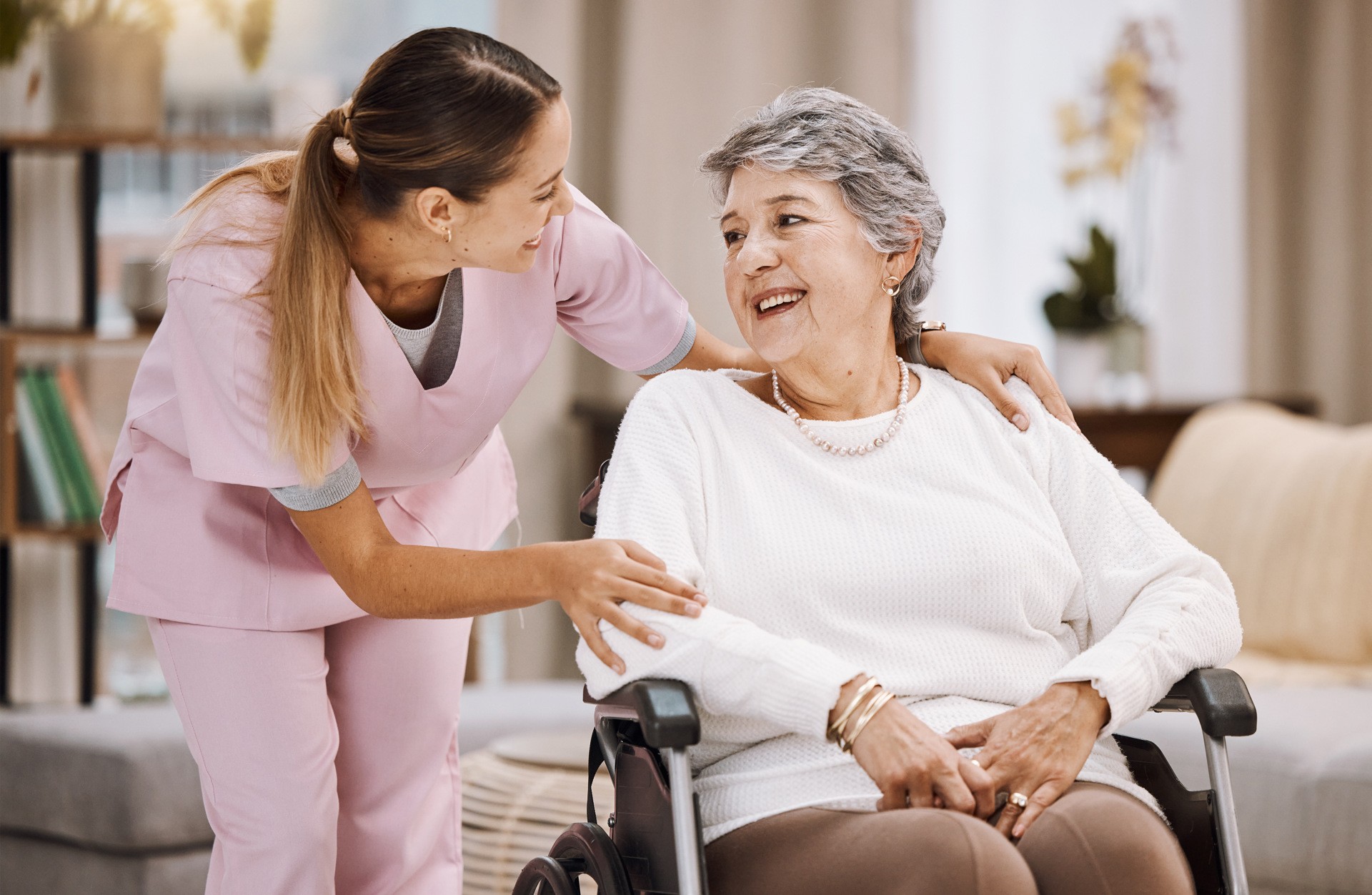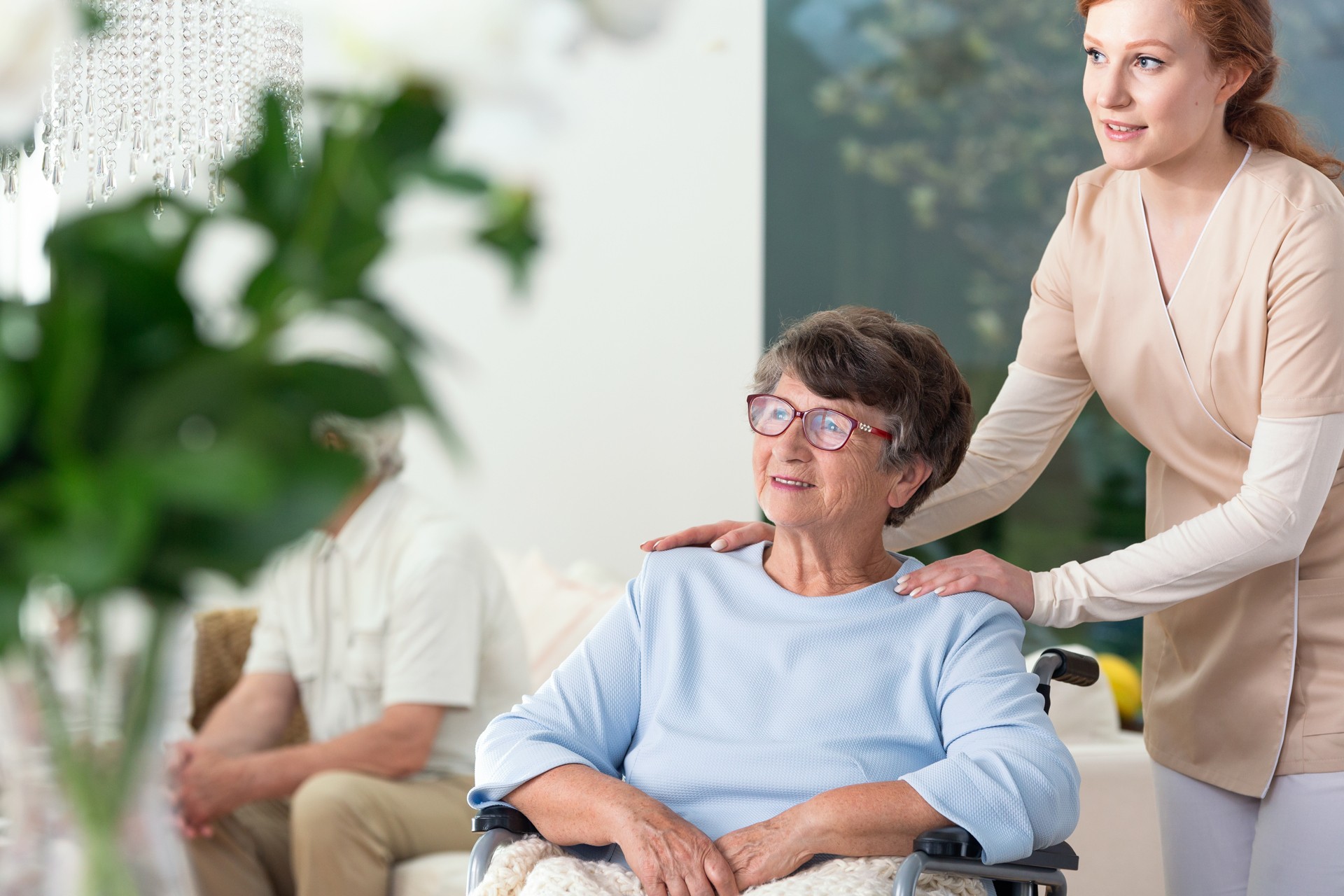
Fortunately, during the last few years, occurred a great rise in the quality of life and longevity of senior citizens.
Mainly, this is thanks to the opportunity elders now have, to enjoy facilities that offer supplementary assisted housing.
A supplementary assisted residence is actually housing intended for elders who need medical support in various aspects, but avoid joining conventional homes for fear of losing their independence.
A supplementive assisting home is mostly an additional and separate department in assisted living homes and that is because it provides, in addition to renting rooms (usually one can choose between single and double rooms), cleaning services and communal activities daily, whose purpose is to pass the elders time in a joyous fashion, also daily support services to the difficulties the elders are challenged with – services which are not included in regular housing.
Supplementary Assisted Housing – Services and Suitability
As earlier discussed, a supplementary assisted housing is adequate for elders who are interested in keeping their independent life routine and their right to manage themselves by themselves, and in addition need medical services in one aspect or some.
The elder’s need for medical support in a supplementary housing might be because of age, diseases, operations or any reason for which they cannot completely manage themselves.
In addition to support and medical services by professionals, supplementary assisted housing provides additional services, including cleaning services such as laundry, ironing and cleaning the rooms, security services (24/7 security), leisure activities and classes, and of course, a variety of services the elders use every day, such as a restaurant, shopping center, library, gym, pool, etc.
Supplementary Supportive Housing – tips for choosing the most suitable home
There are quite a few supplementary support homes in Israel, and because it is first about giving aid to elders, it is important to consider a few factors:
1. Check all aspects of the home and see if it is suitable for the elderly. Are there single and double rooms?, is it clean and spacious? what services and treatments are included? Another important aspect is checking the distance from the living quarters to the central areas in the home as well as the accessibility to certain areas.
2. Consider the feel of the home and its tenants. In the case that the future tenant speaks a certain language, it is important to check whether he can communicate in his mother’s tongue with the caretakers and at least some of the other tenants. Also, mind the physicians and nurses and their attitude to the patients.
3. Ask the administrative manager of the home for a brochure that details all the activities the home provides and compare to the activities in other homes. The price you will have to pay is not small and it is worth it to consider the provided value for that price.
/ 5.